By Steve Broom | VDA Senior Director, Business Development
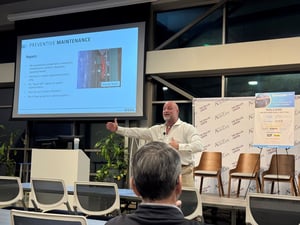
Facility and property managers are increasingly tasked with balancing uptime, safety, compliance, and long‑term capital planning—often with aging vertical transportation systems and limited budgets. That challenge was the focus of a recent presentation at the IFMA Dallas/Fort Worth Speaker Series, where VDA shared practical insights on managing elevators and escalators more effectively across their full lifecycle.
Below are several key takeaways from the discussion, designed to help facility teams make more informed decisions around maintenance, modernization, and long‑term planning.
Understanding Your Equipment Is the Foundation of Good Management
Not all elevator systems are created equal, and management strategies should vary based on equipment type, age, and usage. Hydraulic, geared traction, gearless traction, and machine‑room‑less (MRL) elevators each come with different performance characteristics, maintenance requirements, and long‑term risks.
Understanding what type of equipment is in your building—and how it’s expected to perform—helps owners and facility teams set realistic expectations, identify potential issues earlier, and avoid unnecessary repairs or premature replacements.
Preventive Maintenance Is About More Than “Keeping It Running”
Preventive maintenance is often viewed simply as keeping elevators operational, but effective programs go much further. A well‑structured maintenance program should focus on:
- Equipment reliability and uptime
- Consistent operating performance (smooth travel, accurate leveling, proper door operation)
- Extending the useful life of components
- Identifying wear and deficiencies before they become failures
Equally important is monitoring contractor performance. Tracking outage frequency, downtime, housekeeping practices, component wear, and record keeping provides valuable insight into whether a maintenance program is truly effective—or merely reactive.
Maintenance Contracts Often Favor the Contractor, Not the Owner
One of the most common issues discussed during the session was the structure of typical elevator maintenance agreements. Many standard contracts lack clarity and accountability, with vague language around:
- Frequency of preventive maintenance visits
- Number of labor hours dedicated to PM
- Callback and response times
- Performance expectations or uptime commitments
Without clearly defined terms, owners may unknowingly accept higher costs, slower response times, or deferred maintenance that accelerates equipment deterioration. Consultant‑ or owner‑developed contracts can shift accountability back to the service provider by defining expectations, reporting requirements, and performance metrics upfront.
Knowing When (and Why) to Modernize Is Critical
Modernization decisions are rarely driven by a single factor. Instead, they typically result from a combination of:
- Code updates and compliance requirements
- Obsolescence and parts availability issues
- Deferred maintenance or poor historical upkeep
- Changes in building usage or tenant expectations
- Equipment exceeding its expected service life
A modernization may include replacing controllers, door equipment, fixtures, wiring, motors, or other mechanical components. Understanding what truly needs to be replaced—and what can be retained—helps owners avoid over‑scoping projects while still achieving safety, reliability, and compliance goals.
Capital Planning Reduces Surprises and Unbudgeted Costs
Vertical transportation systems represent a significant capital investment, yet many owners lack a clear, multi‑year strategy for managing that investment. Developing a capital investment (CAPEX) plan allows organizations to:
- Anticipate future modernization needs
- Prioritize upgrades based on risk and condition
- Spread costs over multiple budget cycles
- Align investments with long‑term property goals
Proactive planning reduces the likelihood of emergency replacements, unexpected downtime, and rushed decisions driven by compliance deadlines.
How a Consultant Adds Value
An independent vertical transportation consultant can play a critical role in supporting facility teams by providing:
- Unbiased equipment evaluations
- Maintenance and repair oversight
- Contract review and development
- Modernization planning and bid support
- Third‑party inspection and test witnessing
- Long‑term capital planning guidance
By serving as an owner’s representative, a consultant helps ensure decisions are based on performance, safety, and value—not vendor preference.
Final Thoughts
Managing vertical transportation effectively requires more than responding to breakdowns or signing standard service agreements. It requires an understanding of equipment, clear maintenance expectations, proactive planning, and informed decision‑making.
Events like the IFMA DFW Speaker Series provide an opportunity for facility professionals to step back, evaluate their current approach, and consider strategies that improve reliability while controlling long‑term costs.
If you’re interested in evaluating your current maintenance program, planning a modernization, or developing a long‑term strategy for your vertical transportation assets, VDA’s consulting team is available to help.